



What I Offer
Friendly Service
Piano Tuning
Piano Repairs
Piano Regulation
Piano Moving
Discounted rates
for 2-4 prescheduled/
prepaid tunings per year
Locally Licensed
and Insured
(Non-Smoker
Friendly Service
Piano Tuning
Piano Repairs
Piano Regulation
Piano Moving
Discounted rates
for 2-4 prescheduled/
prepaid tunings per year
Locally Licensed
and Insured
(Non-Smoker

Do you have a wedding, concert, recital, or other event coming up? Don't forget to have your piano tuned!
Did you know that piano students will practice longer and learn better if their piano is at proper pitch, and if it is well regulated and in good repair?
Did you know that piano students will practice longer and learn better if their piano is at proper pitch, and if it is well regulated and in good repair?
Did you know that your piano will maintain its value longer by keeping it tuned, repaired, and regulated regularly?



Regular Tuning Rate: $150
(see Rates page for more details)
New rate effective Jan. 1, 2024
(see Rates page for more details)
New rate effective Jan. 1, 2024
Are you looking for a quality, professional piano tuner/technician in the Springfield, Mo. area that you can trust? If so, you've come to the right place!
Richard's Piano Service is currently the head technician for Missouri State University (All-Steinway School), Hammons Hall for the Performing Arts, The Springfield Sympohony, and College of the Ozarks. Richard also services hundreds of personal clients in the Springfield, Strafford, Ozark, and surrounding areas in Mo.
Richard's Piano Service is also not your average shade tree mechanic, or discount outlet. No gimmicks here! We know what our years of experience, professional training (including 5 week-long training seminars at the New York Steinway Factory), and top notch services are worth to our customers.
While there are certainly other well qualified tuners in the area (I sure don't claim to have a monopoly on that!), piano tuning is not a regulated industry and anyone can pick up a tuning lever and claim to be a tuner. Although I believe they have every right to do so, I also believe that you have every right to know the qualifications, experience, and integrity of the one you choose to service your piano. After all, your piano is virtually a member of your family and deserves the best care possible.
I have been servicing pianos since 1993 and still love what I do. I am still amazed at the end of every tuning session just how good it feels when the piano sings ever so sweetly again. I find it quite satisfying to take an instrument that is out of tune, or even in disrepair, and bring new life back to it...which in turn brings renewed joy and musical pleasure to the ones who get to play and listen to its music.
The piano is a unique instrument that has truely stood the test of time. However, pianos are like anything else: they gradually deteriorate over time. Regular service by a highly skilled craftsman can help maintain your piano's condition and add years of life to your piano while making it more enjoyable to play! For pianos that have fallen into pretty poor condition, skilled rebuilding and restoration can often help those instruments to live again.
It is my goal to provide you and your piano with the quality piano tuning and servicing that you deserve and that we both can be pleased with. I will earn your trust through quality workmanship and honest business practices.
Please feel free to browse my site and email me, or call me at (417) 294-3377, if you have any questions about your piano, my services, or are ready to schedule a tuning appointment or consultation.
Call Richard's Piano Service today!
Richard's Piano Service is currently the head technician for Missouri State University (All-Steinway School), Hammons Hall for the Performing Arts, The Springfield Sympohony, and College of the Ozarks. Richard also services hundreds of personal clients in the Springfield, Strafford, Ozark, and surrounding areas in Mo.
Richard's Piano Service is also not your average shade tree mechanic, or discount outlet. No gimmicks here! We know what our years of experience, professional training (including 5 week-long training seminars at the New York Steinway Factory), and top notch services are worth to our customers.
While there are certainly other well qualified tuners in the area (I sure don't claim to have a monopoly on that!), piano tuning is not a regulated industry and anyone can pick up a tuning lever and claim to be a tuner. Although I believe they have every right to do so, I also believe that you have every right to know the qualifications, experience, and integrity of the one you choose to service your piano. After all, your piano is virtually a member of your family and deserves the best care possible.
I have been servicing pianos since 1993 and still love what I do. I am still amazed at the end of every tuning session just how good it feels when the piano sings ever so sweetly again. I find it quite satisfying to take an instrument that is out of tune, or even in disrepair, and bring new life back to it...which in turn brings renewed joy and musical pleasure to the ones who get to play and listen to its music.
The piano is a unique instrument that has truely stood the test of time. However, pianos are like anything else: they gradually deteriorate over time. Regular service by a highly skilled craftsman can help maintain your piano's condition and add years of life to your piano while making it more enjoyable to play! For pianos that have fallen into pretty poor condition, skilled rebuilding and restoration can often help those instruments to live again.
--------------------
Richard's Piano Service wants to be the place you call for all your piano servicing needs. Together, we can develop a maintenance schedule that is right for you and your piano. Truely, our customers become our friends who enjoy a trusting relationship that can last for decades… just ask them. See a list of our satisfied customers here.It is my goal to provide you and your piano with the quality piano tuning and servicing that you deserve and that we both can be pleased with. I will earn your trust through quality workmanship and honest business practices.
Please feel free to browse my site and email me, or call me at (417) 294-3377, if you have any questions about your piano, my services, or are ready to schedule a tuning appointment or consultation.
Call Richard's Piano Service today!



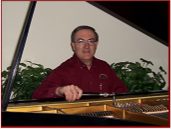

Richard W. Bushey
Piano Technician
Piano Technician



Richard W. Bushey - Piano Tuner/Technician
1694 N. State Hwy 125, Strafford, Mo. 65757
(417) 294-3377 - mobile or (417) 831-0749
(417) 294-3377 - mobile or (417) 831-0749
Associate Member of the
Piano Technician's Guild
Piano Technician's Guild
"make a joyful noise..."

Home
Rates
Services
- Tuning
- Repairs
- Regulation
- Voicing
- Cleaning
- Key Rebushing
- Reconditioning/
Rebuilding
- Refinishing
- Moving
FAQs
Used Pianos
Helpful Links
Piano Care
- General Piano Care
- Humidity Control
Piano Accessories
- Accessories/Gifts
- Grand String Covers
My Blog
Satisfied Customers
About Us
Contact Us

(Non-Smoker!)
Locally Licensed
and Insured
and Insured
Mulitiple piano discount (same location only)
Action Reconditioning
Piano Regulation
Piano Repairs
Piano Tuning
Quality, Friendly Service
What I Offer
Professional Piano Tuning Services for Strafford, Springfield, Ozark, and surrounding areas in Missouri.
1694 N. State Hwy 125, Strafford, Mo. 65757




Are you looking for a quality, professional piano tuner/technician in the Springfield, Mo. area that you can trust? If so, you've come to the right place!
Richard's Piano Service is currently the head technician for Missouri State University (All-Steinway School), Hammons Hall for the Performing Arts, The Springfield Symphony, and College of the Ozarks. Richard also services hundreds of personal clients in the Springfield, Strafford, Ozark, and surrounding areas in Mo.
Richard's Piano Service is also not your average shade tree mechanic, or discount outlet. No gimmicks here! We know what our years of experience, professional training (including 5 week-long training seminars at the New York Steinway Factory), and top-notch services are worth to our customers.
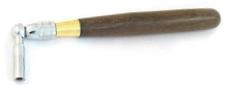
While there are certainly other well qualified tuners in the area (I sure don't claim to have a monopoly on that!), piano tuning is not a regulated industry and anyone can pick up a tuning lever and claim to be a tuner. Although I believe they have every right to do so, I also believe that you have every right to know the qualifications, experience, and integrity of the one you choose to service your piano. After all, your piano is virtually a member of your family and deserves the best care possible.
I have been servicing pianos since 1993 and still love what I do. I am still amazed at the end of every tuning session just how good it feels when the piano sings ever so sweetly again. I find it quite satisfying to take an instrument that is out of tune, or even in disrepair, and bring new life back to it...which in turn brings renewed joy and musical pleasure to the ones who get to play and listen to its music.
The piano is a unique instrument that has truely stood the test of time. However, pianos are like anything else: they gradually deteriorate over time. Regular service by a highly skilled craftsman can help maintain your piano's condition and add years of life to your piano while making it more enjoyable to play! For pianos that have fallen into pretty poor condition, if deemed a good candidate for...and the necessary funds are available to do so, skilled rebuilding and restoration can often help those instruments to live again.
It is my goal to provide you and your piano with the quality piano tuning and servicing that you deserve and that we both can be pleased with. I will earn your trust through quality workmanship and honest business practices.
Please feel free to browse my site and email me, or call/text me at
(417) 294-3377, if you have any questions about your piano, my services, or are ready to schedule a tuning appointment or consultation.
Call Richard's Piano Service today!
Richard's Piano Service is currently the head technician for Missouri State University (All-Steinway School), Hammons Hall for the Performing Arts, The Springfield Symphony, and College of the Ozarks. Richard also services hundreds of personal clients in the Springfield, Strafford, Ozark, and surrounding areas in Mo.
Richard's Piano Service is also not your average shade tree mechanic, or discount outlet. No gimmicks here! We know what our years of experience, professional training (including 5 week-long training seminars at the New York Steinway Factory), and top-notch services are worth to our customers.
While there are certainly other well qualified tuners in the area (I sure don't claim to have a monopoly on that!), piano tuning is not a regulated industry and anyone can pick up a tuning lever and claim to be a tuner. Although I believe they have every right to do so, I also believe that you have every right to know the qualifications, experience, and integrity of the one you choose to service your piano. After all, your piano is virtually a member of your family and deserves the best care possible.
I have been servicing pianos since 1993 and still love what I do. I am still amazed at the end of every tuning session just how good it feels when the piano sings ever so sweetly again. I find it quite satisfying to take an instrument that is out of tune, or even in disrepair, and bring new life back to it...which in turn brings renewed joy and musical pleasure to the ones who get to play and listen to its music.
The piano is a unique instrument that has truely stood the test of time. However, pianos are like anything else: they gradually deteriorate over time. Regular service by a highly skilled craftsman can help maintain your piano's condition and add years of life to your piano while making it more enjoyable to play! For pianos that have fallen into pretty poor condition, if deemed a good candidate for...and the necessary funds are available to do so, skilled rebuilding and restoration can often help those instruments to live again.
--------------------
Richard's Piano Service wants to be the place you call for all your piano servicing needs. Together, we can develop a maintenance schedule that is right for you and your piano. Truely, our customers become our friends who enjoy a trusting relationship that can last for decades… just ask them. See a list of our satisfied customers here.It is my goal to provide you and your piano with the quality piano tuning and servicing that you deserve and that we both can be pleased with. I will earn your trust through quality workmanship and honest business practices.
Please feel free to browse my site and email me, or call/text me at
(417) 294-3377, if you have any questions about your piano, my services, or are ready to schedule a tuning appointment or consultation.
Call Richard's Piano Service today!

Regular Tuning Rate:$150
(See rates page for more details)
(See rates page for more details)

Professional Piano Tuning Services for Strafford, Springfield, Ozark, and surrounding areas in Missouri.






Notice: If you found a YouTube video ad while browsing that claims I'm the #1 piano technician in Missouri, while I'd like to think that, I'm sure not that arrogant to claim such a thing. Info and pictures from my website were used in the making of the ad without my permission, misleading info and wrong phone number given, and a creepy voice-over to boot! I have been trying to get it removed from YouTube, to no avail. Rest assured, it wasn't me! : ) I have, however, just recently created my own YouTube video ad, which says (official) in the title, and that is in fact mine.

Do you have a wedding, concert, recital, or other event coming up? Don't forget to have your piano tuned!
Did you know that piano students will practice longer and learn better if their piano is at proper pitch, and if it is well regulated and in good repair?
Did you know that your piano will maintain its value longer by keeping it tuned, repaired, and regulated regularly?
Did you know that piano students will practice longer and learn better if their piano is at proper pitch, and if it is well regulated and in good repair?
Did you know that your piano will maintain its value longer by keeping it tuned, repaired, and regulated regularly?


Ding! Dong!
"I didn't order a piano tuner!", the woman exclaimed.
"I know you didn't," replied the man. "But your neighbors did!"
- Unknown
"There's nothing remarkable about it. All one has to do is hit the right keys at the right time and the instrument plays itself."
Johann Sebastian Bach


Copyright 2024 Richard W. Bushey
Richard's Piano Service - Springfield, Mo. Piano Tuner
Richard's Piano Service - Strafford, Mo. Piano Tuner
Richard's Piano Service - Nixa, Mo. Piano Tuner
Richard's Piano Service - Ozark, Mo. Piano Tuner
Richard's Piano Service - Strafford, Mo. Piano Tuner
Richard's Piano Service - Nixa, Mo. Piano Tuner
Richard's Piano Service - Ozark, Mo. Piano Tuner
Notice: If you found a YouTube video ad while browsing that claims I'm the #1 piano technician in Missouri, while I'd like to think that, I'm sure not that arrogant to claim such a thing. Info and pictures from my website were used in the making of the ad without my permission, misleading info and wrong phone number given, and a creepy voice-over to boot! I have been trying to get it removed from YouTube, to no avail. Rest assured, it wasn't me! : ) I have, however, just recently created my own YouTube video ad, which says (official) in the title, and that is in fact mine.